
Upholstery Cleaning in Sandy, OR: Sofas, Chairs, and Sectionals Cleaned Without Soaking
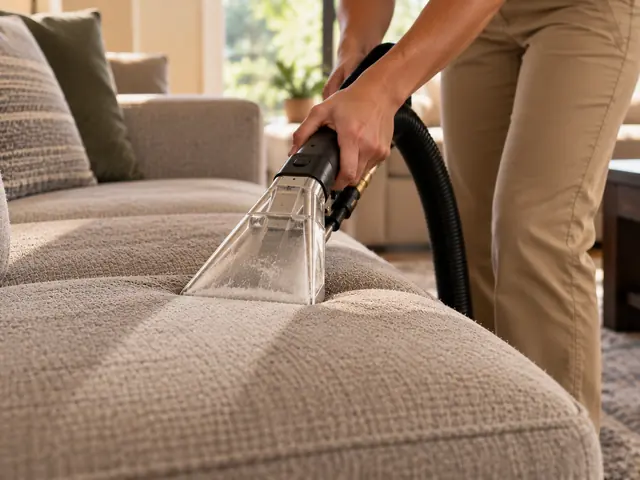
Fabric furniture holds soil, body oils, and odor in its cushions, and it takes a long time to dry if it is soaked. Our very low moisture method cleans sofas, chairs, and sectionals with very little water, so most pieces are ready to use in about an hour. The professional standard, ANSI/IICRC S300, covers fiber and construction identification, inspections, cleaning methods, and spot and stain removal.
- Typical dry time
- About 1 hour for most pieces; thick cushions take longer
- Method
- Very low moisture cleaning with airflow
- Care tag codes
- W water-based, S solvent-based, WS either, X vacuum only
- Standard
- ANSI/IICRC S300 for professional upholstery cleaning (2025 second edition)
- What this service covers
- Fabric upholstery; ask us about other materials
- Quote
- Free and written; a photo of the care tag helps
Start with the care tag
Most upholstered furniture carries a tag, often under a cushion or on the underside of the frame, with a letter code that tells you what the maker allows. The codes are consistent across the sources that explain them. W means water-based cleaning. S means solvent-based cleaning only. WS means either. X means vacuum only, with no liquid at all. A piece with no tag is the hardest case, since there is nothing to rely on, and it needs a more careful test before any cleaning.
We read the tag before we quote. If it says W or WS, the piece is a good candidate for very low moisture cleaning. If it says S or X, we tell you whether we can clean it or whether a different approach suits it better. A photo of the tag with your quote request saves time and avoids surprises.
Fabric identification and pre-testing
The professional standard for this work, ANSI/IICRC S300, is a procedural standard from the Institute of Inspection, Cleaning and Restoration Certification. The 2025 second edition is the current one, and its contents include identification of fiber, construction, and style, pre-cleaning and post-cleaning inspections, methods and systems of cleaning, and spot and stain removal. The standard is a paid document, and we cite its scope only.
What that scope means in practice is a sequence we follow. We identify the fabric as well as we can from the tag, the weave, and the feel. We test the cleaning solution in a hidden spot for colorfastness before it touches a visible surface, using the same logic the Carpet and Rug Institute gives for carpet, which is to apply a few drops to a hidden area, hold a white cloth on it for ten seconds, and look for color transfer or change. If the dye moves, the solution or the method changes. We then inspect the piece with you before and after, so you can see the result.
Where upholstery gets dirty
Soil in upholstery builds in the places bodies touch it. Arms and headrests collect body oils and the darker film that follows. Seat cushions take food, drinks, and the day's dust. Pets sleep on one cushion, children on another, and each leaves its own kind of mark. The American Lung Association lists upholstered furniture, with bedding, mattresses, carpets, and curtains, among the places dust mites live, which is one reason regular vacuuming of cushions and seams is worth the effort.
Odor is the other reason people call. A sofa that smells of pets, cooking, or smoke holds that smell in the padding and fabric, and the cure begins with removing the soil that carries it. If the odor is from a pet accident, the treatment is closer to our pet stain and odor work, and we will ask where the accident happened and how long ago.
Cushions, padding, and moisture
A cushion is a thick block of foam or fiber wrapped in fabric, and it holds water the way a sponge does. A sofa soaked to the core can stay damp for a day or more, and damp padding can sour. Very low moisture cleaning puts very little water into the fabric and the padding, and we add airflow to carry off what remains. Most pieces are ready to sit on in about an hour. Thick down-filled or high-density foam cushions take longer, and a closed, humid room adds time, so we give you an estimate when we see the piece. If a piece is heavily soiled or has a stubborn odor, we tell you what approach suits it before we start.
We ask that you keep children and pets off a cleaned piece until it is dry, and that you replace removable cushion covers only after they are fully dry. The same method that keeps a mattress from being soaked, described on our mattress cleaning page, applies to a sofa.
Cleaning is not disinfecting
The Centers for Disease Control and Prevention separate the two. Cleaning removes most germs, dirt, and impurities from surfaces. Disinfecting kills most germs on surfaces and objects, and the CDC says to read and follow the label on disinfecting products and to keep the surface wet for the product's contact time. For soft surfaces such as carpets, rugs, and drapes, the CDC advises cleaning with products appropriate for the surface and vacuuming. It also says sanitizing or disinfecting at home is likely not needed unless someone in the home is sick.
Our upholstery service is cleaning. We remove soil and odor with non-toxic, eco-friendly solutions that are safe for children and pets when used as directed. If you have a particular health reason to disinfect a piece, tell us, and we will say what we can and cannot do on that fabric.
Fabric upholstery and other materials
This service is for fabric furniture: sofas, loveseats, sectionals, armchairs, and dining chairs with fabric seats. Leather, vinyl, and delicate specialty fabrics have their own care methods. Ask us about a piece before you book, and we will tell you whether it is a good fit for our method or better left to a specialist.
Between cleanings
Vacuum cushions, seams, and the space under the arms every week or two with an upholstery tool, and turn removable cushions so wear spreads out. Blot spills with a clean white cloth right away, from the edge toward the center, and avoid rubbing. Keep the piece away from direct sunlight, which fades fabric, and from heating vents.
What a visit looks like
Read the care tag
We check the tag and ask you what you know about the fabric and any past cleaning.
Vacuum and inspect
We vacuum the piece and look at each cushion and seam, noting stains and odor.
Test for colorfastness
We test the solution in a hidden spot before cleaning any visible fabric.
Very low moisture cleaning
Our machines clean the fabric with very little water and our non-toxic, eco-friendly solutions.
Airflow, inspection, and aftercare
We add airflow, walk the result with you, and tell you when the piece is dry and ready to use.
What sets Sandy Carpet Cleaners apart
- Fabric stays out of the waterVery low moisture cleaning avoids soaking cushions and padding.
- Ready to sit on in about an hourA typical sofa is dry in about an hour, so the living room is not out of service overnight.
- Tag-first, test-firstWe read the care tag and test the dye before cleaning, and we tell you when a piece should not be cleaned our way.
- Safe around kids and petsOur solutions are non-toxic and eco-friendly, safe for children and pets when used as directed.
- Clear limitsWe clean fabric furniture and say so when a piece belongs with a specialist.
What affects the quote
The number of pieces and their size are the first drivers, followed by fabric, soil level, and any stains or pet odor that need pre-treatment. A three-cushion sofa costs less work than a large sectional with a chaise. We do not publish dollar amounts because they depend on those details, and we give you a free written quote that lists each piece.
Questions to ask any upholstery cleaner
- Do you check the care tag and test for colorfastness before cleaning?
- How much water goes into the cushions, and how long will the piece take to dry?
- Is my piece safe for water-based cleaning, and what happens if the dye runs?
- Do you clean leather, vinyl, or specialty fabrics, or only fabric upholstery?
- Is the quote in writing, listing each piece?
Questions about upholstery cleaning
What do the care tag codes mean?
W means water-based cleaning, S means solvent-based cleaning only, WS means either, and X means vacuum only. If your tag says S or X, ask us before booking.
How long until I can sit on the sofa?
Most pieces are ready in about an hour, and thick cushions or humid rooms take longer. We tell you when it is dry.
Can you remove pet odor from upholstery?
We treat pet odors and stains on fabric furniture, and results depend on how deep the odor went and how long it has been there. We will tell you what to expect before we start.
Do you clean leather furniture?
Our upholstery service is for fabric. Ask us about a leather piece and we will say whether another approach suits it better.
Do you disinfect upholstery?
We clean it. The CDC says disinfecting at home is likely not needed unless someone is sick, and that disinfecting products must be used according to their labels. Tell us if you have a health reason to disinfect.
Related services
Upholstery Cleaning near you
Sources
- IICRC, ANSI/IICRC S300 Standard for Professional Upholstery Cleaning
- American Lung Association, Dust Mites
- CDC, When and How to Clean and Disinfect Your Home
- Carpet and Rug Institute, Carpet & Rug Care Guide (spot-test method)
Industry guidance changes. Check your own flooring or furniture maker's instructions and warranty, which take priority over general advice.
Free quote
Let's get your floors fresh
Tell us what needs cleaning in Sandy or nearby. We'll get back to you during business hours. Questions first? Read the FAQ.