
Commercial Floor Cleaning in Sandy, OR: Offices, Rental Properties, and Home Sales
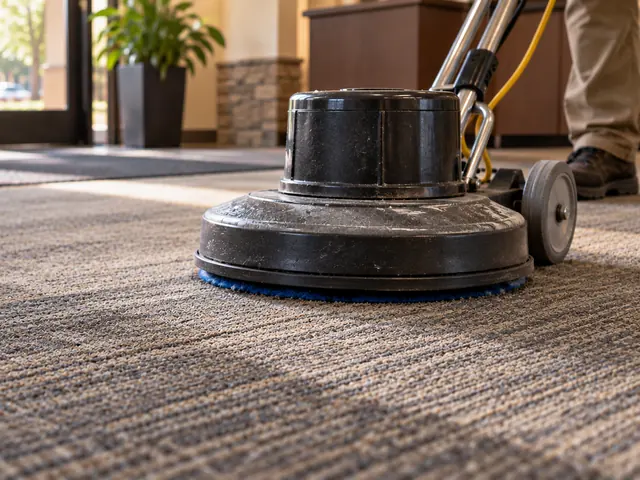
Three kinds of customers share one need, a floor that is ready fast. Businesses cannot close for a day, property managers turn units between tenants, and realtors and sellers prepare a home against a listing date. Very low moisture cleaning dries in about an hour, so a lobby, a unit, or a listing is usable soon after we leave, and we offer after-hours and weekend scheduling, recurring maintenance, rental turnovers, and realtor turnarounds. Steam cleaning is available when soil is heavy.
- Customers
- Businesses, property managers, landlords, tenants, realtors, and sellers
- Scheduling
- After-hours and weekend appointments; recurring maintenance
- Dry time (VLM)
- About 1 hour; as little as 20 minutes with proper airflow
- Heavy soil
- Traditional steam (hot water extraction) when the floor calls for it
- Floors
- Carpet, vinyl, and hardwood
- Quote
- Free and written, by area, floor type, and schedule
One approach to floors that must be ready fast
Commercial floors, rental units, and homes for sale have different owners and different deadlines. What they share is that nobody wants a wet floor to hold up the next step. A business wants customers walking in at opening, a manager wants a unit rentable, and an agent wants photographs and showings on schedule. Our very low moisture (VLM) method dries in about an hour, sometimes in as little as 20 minutes with proper airflow, and it uses very little water. We offer traditional steam (hot water extraction) when soil is heavy, and we say which method fits before we start. This page has a section for each kind of customer: general commercial floors, rental properties, and realtors and home sales. Each section stands alone.
General commercial floors: offices, lobbies, and shops
What a commercial floor program contains
Interface's carpet tile maintenance guide describes five elements of a maintenance program. Preventative maintenance means walk-off mats at entrances. Vacuuming is "the single most important part of a maintenance program" and removes dry soil. Spot and spill removal depends on a quick response. Interim cleaning, which can use several methods, "can prolong the need for restorative cleaning." Restorative cleaning is deep cleaning to remove trapped soil, and Interface says hot water extraction is the most effective method and the only restorative method it recommends for its carpet tile. A good program uses all five, on a schedule written down in advance.
That structure is how we organize commercial work. VLM is our method for interim cleaning, regular maintenance that is fast and leaves the floor ready to use. Steam is our restorative method, for heavy soil. The two together cover the program, and we recommend the mix in the quote.
How often, according to traffic
| Traffic per day | Vacuuming | Interim cleaning per year | Restorative cleaning per year |
|---|---|---|---|
| Light (under 500) | 1 to 2 times a week | 1 to 3 | 1 to 2 |
| Medium (500 to 1,000) | Daily in traffic areas; overall 3 to 4 times a week | 3 to 6 | 2 to 4 |
| Heavy (1,001 to 2,500) | Daily in traffic areas; overall 4 to 7 times a week | 6 to 12 | 3 to 6 |
| Very heavy (over 2,500) | 1 to 2 times daily in traffic areas; overall 7 times a week | 12 to 52 | 6 to 24 |
The frequencies depend on how many people walk the floor. Interface's chart, which it attributes to the IICRC S100 standard, places a floor in one of four traffic categories and assigns each a rhythm. Spot cleaning is daily or as soon as a spot is noticed in all four. Entrances, lobbies, and corridors usually sit in a higher category than the offices behind them, and Interface notes that areas around vending machines and desks need daily attention to spills.
Mats at the door
Prevention costs the least. Interface says interior walk-off mats should extend at least six feet inside the entrance and that at 15 feet they can effectively remove 80 percent of soil and moisture before it reaches the carpet. For vinyl floors, Evoke says mats at each entrance should be as wide as the door opening and 8 to 12 feet long, and Interface's vinyl guide says 8 to 10 feet from exterior entrances. Mats need cleaning too, and Interface says to maintain them like interior carpet on the schedule for a very heavy traffic area. In a climate with wet seasons like ours, a saturated mat absorbs less moisture, so it is worth checking.
Floors that stay safe and in use
The federal walking-working surfaces rule, 29 CFR 1910.22, says workplace walking surfaces are to be kept in a clean, orderly, and sanitary condition, that the floor of each workroom is kept clean and, to the extent feasible, dry, and that surfaces are free of hazards such as leaks and spills. A floor that dries in about an hour fits that rule more easily than one that stays wet for a shift. Evoke notes that vinyl may become slippery when wet and says to cordon off areas where maintenance is taking place and post caution signs. We schedule work to limit the time a floor is out of use, and we offer after-hours and weekend appointments for businesses that cannot close.
Manufacturer rules in commercial installations
Commercial flooring makers set conditions that matter. Interface's carpet tile guide says that a bonnet or any other rotary machine used for cleaning or drying is not recommended and may void all warranties. Its vinyl guide says not to use a carpet extractor on its luxury vinyl, because the metal could scratch it. Evoke gives detailed polish and stripping limits for its vinyl. Because these rules differ, we ask for the maker's maintenance guide for the floor before we quote. If a warranty names hot water extraction as the restorative method, we plan steam. If it limits the equipment we can use, we tell you what we can and cannot do on that floor.
Recurring maintenance and the quote
We offer recurring maintenance for offices and shops, built from the floor's traffic category and the hours the space is in use. The quote depends on the square footage, the floor types, the traffic level, the hours available to work, and how often the work repeats. We do not publish dollar amounts because they depend on those details, and we give you a free written quote.
Rental properties: managers, landlords, and tenants
Turnover cleaning between tenants
A rental unit changes hands on a deadline. We offer move-out and turnover floor cleaning for property managers and landlords, and for tenants preparing to leave. Our very low moisture method means carpet can be dry in about an hour, so a unit can be cleaned, checked, and shown on the same day in many cases. Pet odors, spots, and kitchen and bathroom vinyl are common turnover problems, and we treat them under pet stains and odors, stain removal, and vinyl floor cleaning.
What Oregon law says about carpet cleaning charges
Oregon's security deposit statute, ORS 90.300, allows a landlord to claim from a deposit only the amount reasonably necessary to remedy a tenant's defaults and to repair damage the tenant caused, "not including ordinary wear and tear." It lists carpet cleaning, other than ordinary vacuuming, as a permitted charge only if three conditions are met: the cleaning is done with a machine designed for cleaning or shampooing carpets, the carpet was cleaned or replaced after the previous tenancy or the most recent significant use, and the written rental agreement says the landlord may deduct the cost. The landlord must give a written accounting of any claim within 31 days after the tenancy ends and the tenant delivers possession. Our Gresham page goes through the statute in more detail. This is a summary and not legal advice.
Entering an occupied unit
Cleaning an occupied unit raises access questions. Under ORS 90.322 a landlord must generally give the tenant at least 24 hours' actual notice of intent to enter, and entry must be at reasonable times. The statute allows entry to inspect the premises, make necessary or agreed repairs, and exhibit the unit to prospective or actual purchasers, tenants, workers, or contractors. A tenant may not unreasonably withhold consent, and the landlord may not enter if a tenant denies consent after notice, subject to the statute's exceptions for emergencies. We coordinate scheduling with the manager or landlord and expect them to handle notice to the tenant.
Records
A dated invoice that lists the unit and the rooms cleaned is useful for the second condition above and for a move-out accounting. Tenants who clean before leaving benefit from the same, together with photographs of the carpet at move-in and move-out. We write invoices that list the date, the unit, and the rooms.
Multi-unit and recurring work
Managers of several units benefit from a schedule. We offer recurring maintenance, for example common-area carpet on a regular cycle, and we plan turnovers in batches when several units come due together. Tell us the number of units and the floor types, and we quote the group.
Realtors and home sales
Why floors matter before a listing
The National Association of Realtors' 2025 Profile of Home Staging reports on a survey of its members taken in February 2025, with 1,266 usable responses from 49,806 invited, a 2.5 percent response rate and a margin of error of plus or minus 2.75 percent, so its numbers are best read as directional. In it, 49 percent of sellers' agents said staging reduced the time homes spent on the market. Eighty-three percent of buyers' agents said staging made it easier for buyers to picture the home as their future home, and 29 percent of agents reported that staging led to a 1 to 10 percent increase in the dollar value offered. The living room was the room most often rated most important for staging, by 37 percent. Staging covers furniture, decluttering, and décor as well as cleaning. Clean floors are the base that the rest of it rests on, and a stained or odorous carpet works against it.
What we do for agents and sellers
We clean the floors and soft furnishings in a home before it goes to market: carpet, area rugs, upholstered furniture that stays for showings, and hardwood and vinyl floors. We treat stains and pet odors that photographs and open houses expose. We schedule around listing, photography, and open-house dates, and we offer realtor turnarounds, so tell us your deadline when you request a quote. Because our method dries in about an hour, a room can be photographed or shown soon after a cleaning. Vacant homes are the easiest to clean, since an empty house has nothing to work around.
Scope for a sale
Cleaning improves soil and odor, and it does not replace worn carpet. Before we clean, we tell you which areas will improve, which will improve partly, and which will not, for example a worn traffic lane or a stain that has set. That helps an agent and a seller decide between cleaning and replacing a stretch of carpet before listing. We make no claim about sale price or days on market from our work, and the NAR survey is about staging as a whole.
Timing and records
Plan floor cleaning after repairs and painting and before photographs and staging furniture arrive, since both can mark a clean floor. After a seller moves out and before the final walkthrough, a refresh can address what removal left behind. We write a dated invoice that you can add to the seller's file.
How a commercial, rental, or listing job runs
Scope and schedule
We learn the floor types, the square footage, the traffic, the deadline, and the hours we can work, and we ask for the floor maker's maintenance guide.
Written quote
The quote lists areas, floor types, the method we recommend, the schedule.
Prepare and clean
We vacuum, pre-treat spots and traffic lanes, and clean with VLM for speed and maintenance or steam for heavy soil.
Dry and walk through
We add airflow and walk the result with you or your contact. We tell you when the area is dry and ready for use.
Invoice and schedule
We provide a dated invoice by area or unit and set the next visit for recurring accounts.
What sets Sandy Carpet Cleaners apart
- A floor that is ready fastVLM cleaning dries in about an hour, so a lobby, a unit, or a listing is usable soon after we leave.
- After-hours and weekendsWe schedule around business hours, tenant notice, and listing dates.
- Both methods, for the programVLM covers interim maintenance and speed. Steam covers heavy soil. We recommend the mix, which mirrors the interim and restorative split in the manufacturers' guides.
- Maker's rules firstWe ask for the floor maker's maintenance guide before quoting and tell you what we can and cannot do on that floor.
- One contact for three needsRecurring maintenance, rental turnovers, and realtor turnarounds share one written quote and invoice format.
- Non-toxic and eco-friendlyOur solutions are non-toxic, eco-friendly, and safe for children and pets when used as directed, which matters in homes for sale and rental units.
Questions to ask any commercial floor cleaner
- Do you ask for the flooring manufacturer's maintenance guide before you quote?
- How long will each area be out of use, and can you work after hours or on weekends?
- Which method will you use on my floor: low moisture or steam?
- Can the invoice list the date, unit or area, and rooms cleaned?
- How do you coordinate access and notice for occupied units?
- What will and will not improve, so I can decide whether to clean or replace?
Questions about commercial floor cleaning
Do you clean offices and shops after hours or on weekends?
Yes. We offer after-hours and weekend appointments for businesses that cannot close. Tell us your hours and the areas involved when you request a quote.
How often should commercial carpet be cleaned?
It depends on foot traffic. Interface's chart, which it attributes to IICRC S100, ranges from one to two interim cleanings a year for a light-traffic floor to 12 to 52 for a very heavy one, with restorative cleaning in between. Entrances and corridors usually need more than offices.
Do you do recurring maintenance?
Yes. We build a recurring schedule from the floor's traffic category and the hours the space is in use.
Do you do move-out and turnover cleaning for rentals?
Yes, for managers, landlords, and tenants. We offer carpet, pet odor, stain, and vinyl cleaning, and we can list the date and rooms on the invoice.
Can a landlord charge a tenant for carpet cleaning in Oregon?
Under ORS 90.300, only if the cleaning uses a machine designed for cleaning or shampooing carpets, the carpet was cleaned or replaced after the previous tenancy or most recent significant use, and the written rental agreement allows it. Deductions for ordinary wear and tear are not allowed. See the Gresham page for detail, and ask Oregon Law Help or an attorney about a specific case.
Do you work with realtors on a tight deadline?
We offer realtor turnarounds. Tell us the listing, photography, or open-house date when you request a quote. Our method dries in about an hour.
Will cleaning raise my home's sale price?
We make no such claim. NAR's 2025 staging survey reports on staging as a whole and is directional. Clean floors support a listing, and cleaning does not repair worn carpet.
Related services
Commercial Floor Cleaning near you
Sources
- Interface, Carpet Tile Maintenance Guide (maintenance program, frequency chart per IICRC S100, walk-off mats)
- Interface, Luxury Vinyl Tile and Rigid Core Maintenance Guidelines (Rev. 12/08/2021)
- Evoke, Luxury Vinyl Commercial Care & Maintenance (08.2025)
- OSHA, 29 CFR 1910.22 General requirements (walking-working surfaces)
- Oregon Revised Statutes 90.300 (security deposits and prepaid rent)
- Oregon Revised Statutes 90.322 (landlord access to premises)
- National Association of Realtors, 2025 Profile of Home Staging
- IICRC, ANSI/IICRC S100 Standard for Professional Cleaning of Textile Floor Coverings
Industry guidance changes. Check your own flooring or furniture maker's instructions and warranty, which take priority over general advice.
Free quote
Let's get your floors fresh
Tell us what needs cleaning in Sandy or nearby. We'll get back to you during business hours. Questions first? Read the FAQ.